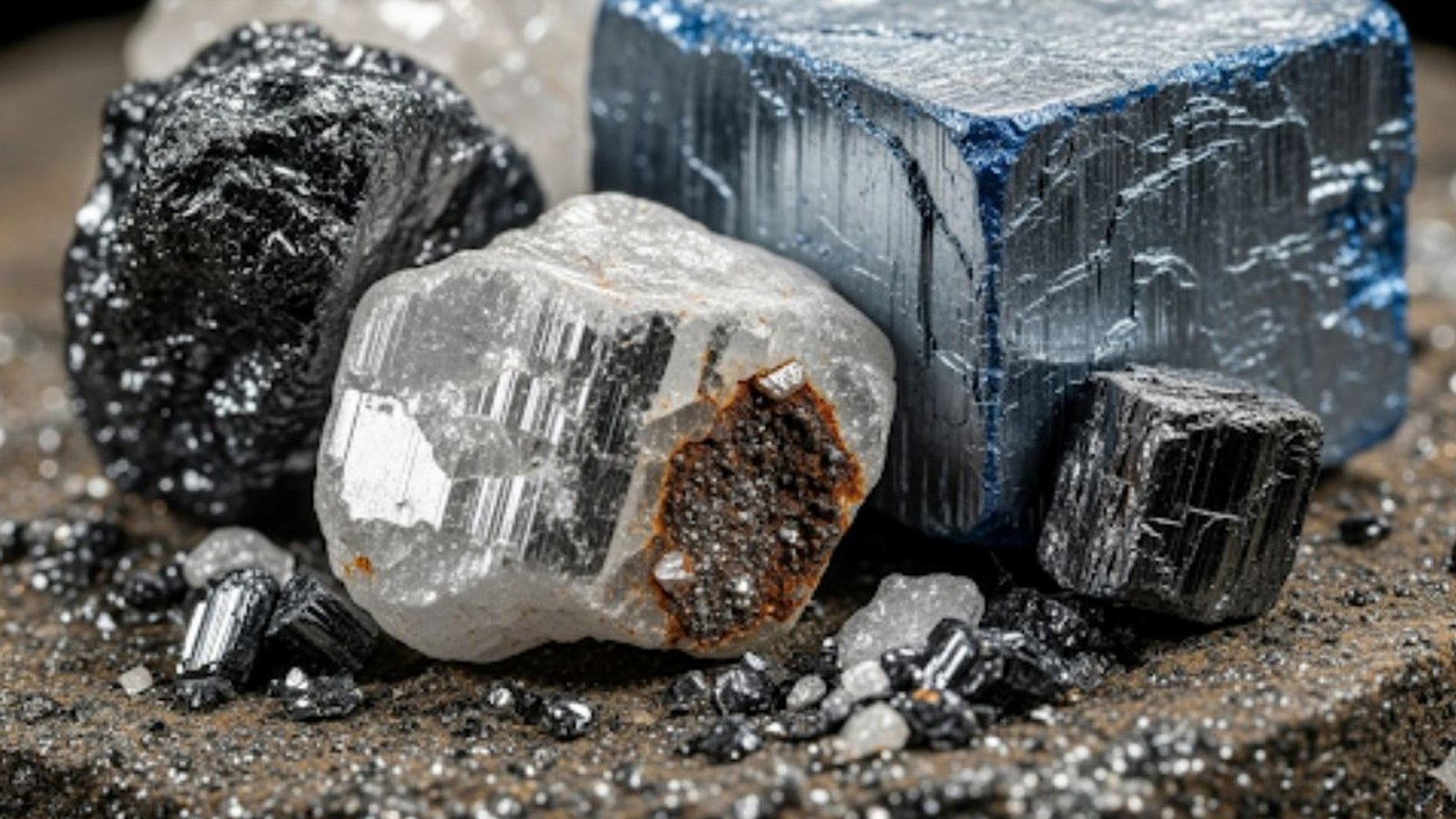
The global transition toward a green economy is no longer a distant goal—it is a present-day industrial revolution. At the heart of this shift lie Critical Minerals (CMs), specifically Lithium and Rare Earth Elements (REEs). These materials are the lifeblood of electric vehicles (EVs), renewable energy systems, and high-tech defense applications.
However, a significant gap exists between the soaring demand for these minerals and the economic viability of extracting them using traditional methods. This article explores the shifting landscape of critical minerals economics and highlights innovative extraction strategies that promise to stabilize the supply chain and drive industrial growth.
The Growing Critical Minerals Crisis: The Supply-Demand Gap
The primary challenge facing the mining industry today isn’t necessarily a physical shortage of minerals in the earth’s crust. Instead, it is an economic and technical bottleneck.
-
The Lithium Paradox
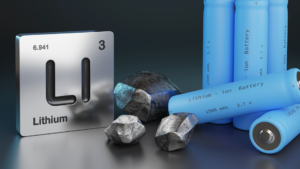
Lithium is essential for lithium-ion batteries. While lithium brine and spodumene (hard rock) mining are established, they are often geographically concentrated and environmentally taxing. As demand is projected to grow fivefold by 2030, traditional extraction cannot scale fast enough without incurring astronomical costs.
-
The Rare Earth Dilemma
Rare Earth Elements (like Neodymium and Dysprosium) are not actually “rare,” but they are rarely found in concentrations high enough to make mining profitable. Furthermore, their chemical similarity makes separating them an expensive, multi-stage nightmare that often results in significant toxic waste.
The Problem: Current extraction methods are too slow, too “dirty,” and too expensive to meet the Paris Agreement goals. Without a fundamental shift in how we value and extract these resources, the green transition will stall.
The Solution: A New Economic Framework for Extraction
To address these gaps, recent research and industrial breakthroughs suggest a dual approach: direct extraction technologies and circular economic integration. By reimagining the “waste” of yesterday as the “resource” of tomorrow, we can unlock new value.
Direct Lithium Extraction (DLE)
One of the most promising solutions for the lithium sector is Direct Lithium Extraction (DLE). Unlike traditional evaporation ponds, which take 18–24 months and have a low recovery rate, DLE uses highly selective membranes or sorbents to “pull” lithium directly from brine.
. Speed: Reduces processing time from years to hours.
. Yield: Increases recovery rates from ~40% to over 90%.
. Footprint: Significantly smaller land use and lower water consumption.
Advanced Separation for REEs
For rare earth elements, the solution lies in liquid-liquid extraction (LLE) and biosorption. By utilizing specialized organic molecules that “recognize” specific REEs, we can bypass the dozens of traditional chemical stages, drastically lowering the OPEX (Operating Expenditure) of REE refineries.
Critical Minerals: Economic Viability and Market Dynamics
Understanding the economics of critical minerals requires looking beyond the price per ton. We must consider the Total Cost of Ownership (TCO) and the Geopolitical Risk Premium.
| Emerging Solution | Economic Driver | Key Use Case | Mineral |
| DLE & Clay Processing | Energy Density | EV Batteries | Lithium |
| Magnet Recycling | High-torque motors | Permanent Magnets | Neodymium |
| Nickel-rich chemistrie | Ethical Sourcing | Battery Cathodes | Cobalt |
Secondary Sourcing: The “Urban Mine”
A core finding in modern mineral economics is the potential of Coal Fly Ash and Electronic Waste (e-waste). Instead of digging new holes in the ground, mining companies are looking at the millions of tons of industrial waste produced annually. Extracting REEs from coal ash not only provides a mineral source but also cleans up environmental hazards, creating a “double-win” for the balance sheet.
Industrial Opportunities and Potential Impact
The shift toward advanced extraction isn’t just about saving the planet; it’s about massive industrial opportunity. The “Critical Minerals Boom” is creating a new class of “Tier 1” assets.
-
Strategic Autonomy
Countries that invest in domestic extraction and processing infrastructure reduce their reliance on volatile global markets. This creates high-paying jobs in chemical engineering, metallurgy, and data science within the mining sector.
-
The Rise of “Green” Premiums
End-users, such as Tesla or Apple, are increasingly willing to pay a premium for minerals with a low carbon footprint. Mines that implement DLE or renewable-powered refining are finding themselves with higher margins and easier access to capital from ESG-focused investors.
-
Technological Spillovers
The innovations developed for REE separation often have applications in water purification and pharmaceutical manufacturing, diversifying the revenue streams for mining tech companies.
Critical Minerals Innovation: How Advanced Extraction Can Scale Supply
While the technical solutions exist, scaling them requires a collaborative effort between the public and private sectors.
. Policy Support: Governments must streamline permitting for “clean” mining projects.
. Investment in R&D: Pilot plants for DLE and REE recycling need initial “de-risking” capital.
. Transparency: Standardizing “Digital Product Passports” for minerals will allow buyers to verify the ethical and economic origins of their materials.
The economics of lithium and rare earth elements are transitioning from a model of resource scarcity to one of technological capability. The gap between supply and demand is a call to action for the mining industry to adopt more efficient, selective, and circular extraction methods.
By embracing these innovations, we don’t just secure the materials needed for our smartphones and electric cars; we build a more resilient, sustainable, and profitable industrial future. The “Gold Rush” of the 21st century isn’t about finding the minerals—it’s about mastering the science of getting them out.
Read Also: Arabian Shield Exploration: How Algorithms Are Shaping Saudi Arabia’s Mining Future