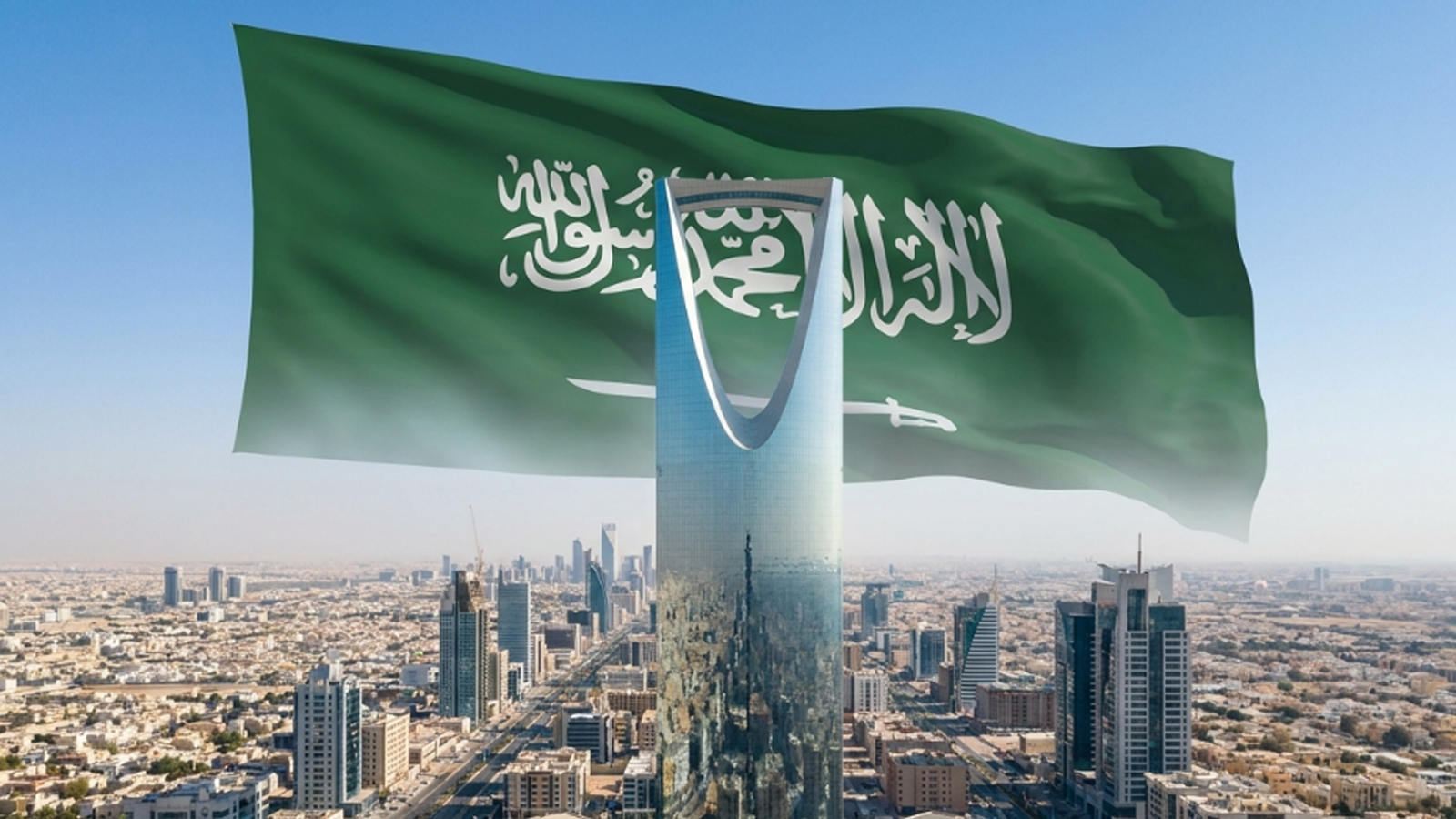
Saudi Arabia’s emergence as a major player in the global mining sector is becoming one of the clearest outcomes of Vision 2030. According to the Ministry of Industry and Mineral Resources’ 2025 Annual Report, the Kingdom is building mining as the “Third Pillar” of economic growth through major advances in exploration, licensing, sustainability, human capability, and global partnerships. With mineral potential estimated at SAR 9.3 trillion, the sector is moving from ambition to execution, laying the foundations for a competitive and integrated mineral economy.
The exploration surge
The scale of the opportunity is staggering, with mineral potential estimated at SAR 9.3 trillion.
Mineralized Belts: In 2025, the ministry offered 37,000 square kilometers of mineralized belts a 480% increase over the previous year.
Key Sites: Major competitions were held for three key belts: Al Naqrah, Al Sukhaybirah (Al Safra), and Al Duwayhi (Nabitah).
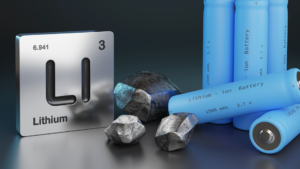
Strategic Prioritization: A plan was completed to prioritize the exploitation of 10 strategic and critical minerals, including zinc, copper, nickel, silica, and lithium.
Record Spending: Mining exploration spending surged by 110% compared to 2024, totaling SAR 1.05 billion.
Deep-Sea Mining: A Blue Ocean Strategy
Seabed Mining Initiative: This initiative establishes a decision-making framework and regulatory governance for seabed mining activities.
Marine Research: Scientific knowledge of the seabed environment within the Exclusive Economic Zone (EEZ) in the Red Sea is being enhanced to assess non-living natural resources.
Responsible expansion: The framework lays the foundation for environmental sustainability standards, reflecting a commitment to protecting marine and natural resources.
Empowering the human value chain
A mine is only as productive as the minds behind it, and the 2025 report details an aggressive campaign to build “human capability.”
Training Scale: More than 78,000 individuals were trained in the industrial and mining sectors during 2025.
Specialized Academies: The National Industrial Minerals Academy was established as a specialized institution for the cement industry.
Advanced Education: A Partnership with King Fahd University of Petroleum and Minerals has led to the launch of four specialized Master’s programs, including Advanced Materials and Intelligent Process Control.
Youth Engagement: The “Future Industrialists” initiative reached more than 20,000 students, while the cooperative training initiative provided over 2,500 opportunities.
The ESG Mandatory: Sustainability as a Standard
Environmental Accountability: The ministry reported a 38% compliance rate for mine closure and rehabilitation programs, exceeding the 30% target.
Social Impact: Mining companies achieved more than SAR 4 billion in local procurement and implemented community initiatives exceeding SAR 60 million.
Local Employment: Approximately 4,000 jobs were created in the surrounding communities.
Modernizing the Investor Journey
Licensing Efficiency: The average time to issue a mining license was slashed to 47 days, well below the 60-day target.
Exploitation Growth: Mining exploitation licenses recorded a significant increase of 220% in 2025, with a total investment value of approximately SAR 44 billion.
Global Recognition: Saudi Arabia advanced 13 positions to reach 10th place globally in the Mining Investment Attractiveness Index issued by the Fraser Institute.
Financial Governance and Integrated Supply Chains
To ensure long-term growth, the Ministry has established a self-sustaining financial model.
Mining Sector Fund: A fund was established to utilize mining revenues for sustainability and continuous sector development.
Critical Alliances: A strategic agreement with the U.S. resulted in a joint venture between Ma’aden (51%) and MP Materials (49%) for the processing and separation of rare earth minerals.
Future Targets: The strategy aims for a SAR 176 billion contribution to GDP and 219,000 jobs by 2030.