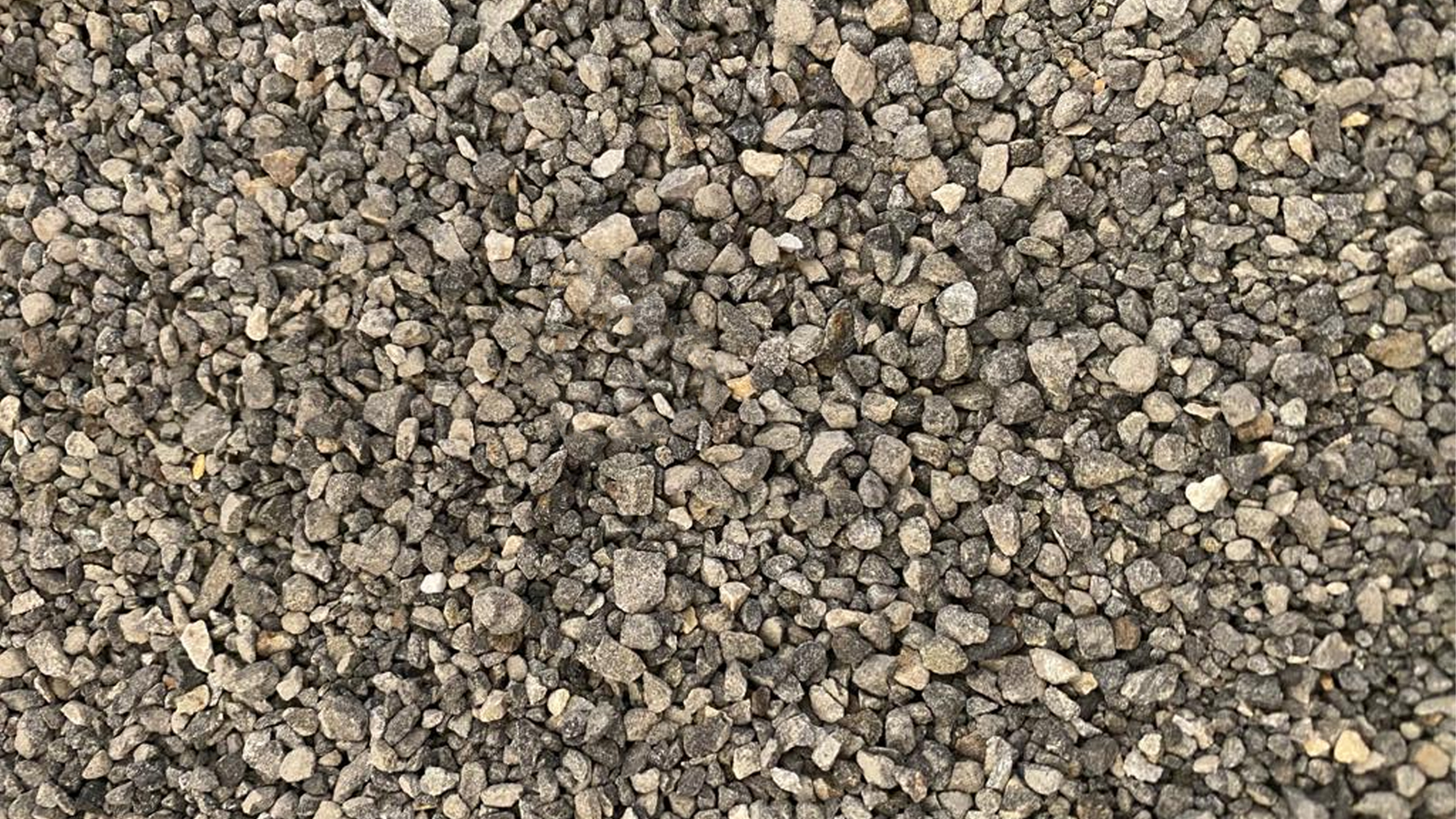
Saudi phosphate plays a vital role in the Kingdom’s economic diversification, supporting the development of mining as the third pillar of national industry alongside oil and petrochemicals. As Saudi Vision 2030 accelerates investment in the sector, expanding phosphate extraction and processing has become a strategic priority, strengthening the Kingdom’s position as a global fertilizer supplier and its contribution to food security.
The Importance of Saudi Phosphate in the Global Economic Landscape
The territories of Saudi Arabia abound with massive mineral wealth estimated in the trillions of dollars, with phosphate at the forefront of these strategic minerals. The Kingdom possesses huge reserves of phosphate rock, the largest portion of which is concentrated in the Northern Borders region, specifically in the Hazm Al-Jalamid fields and the Turaif governorate.
These substantial reserves have not only placed the Kingdom among advanced mining nations, but have also made it a strong competitor for top global ranks in producing and exporting high-quality phosphate fertilizers. The growing global demand for fertilizers to support the agricultural sector in coping with massive population growth grants Saudi phosphate invaluable added value.
Infrastructure and Mega Projects: From Extraction to Export
The phosphate sector has witnessed a major qualitative leap thanks to massive government investments and strategic partnerships led by the Saudi Arabian Mining Company (Ma’aden) in cooperation with major international companies. The key pillars of this infrastructure can be summarized as follows:
- Hazm Al-Jalamid Project: Serves as the primary mine for extracting raw phosphate rock with a massive production capacity that is processed to upgrade ore concentration.
- Wa’ad Al-Shamal Industrial City: The giant mining hub representing the capital of the phosphate industry, featuring integrated complexes for producing phosphoric acid, fertilizers, and downstream products.
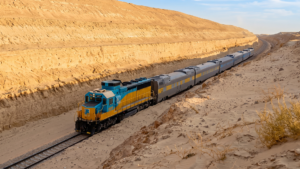
- The Mining Train (SAR): The logistics artery connecting northern mines to processing plants and export ports on the Arabian Gulf coast over a length of approximately 1,500 kilometers.
- Ras Al-Khair Port: The eastern marine gateway through which shipments of Saudi phosphate fertilizers depart to various global markets in Asia, Africa, and the Americas.
Geological Characteristics and Economic Minerals of Phosphate Ores in Saudi Arabia
Saudi phosphate ores hold extreme geological and engineering importance due to their sedimentary formation nature, belonging to the Aruma Formation, the Late Cretaceous epoch, and the Eocene epoch. Below is a scientific and technical breakdown directed at geologists and mining engineers regarding the nature of these ores and their extraction operations:
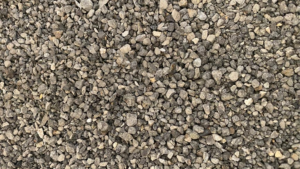
. Mineralogical and Petrographic Composition: Commercial phosphate rock in areas like Hazm Al-Jalamid and Turaif primarily consists of Francolite, a carbonated variety of fluorapatite, alongside accompanying impurities including quartz, calcite, dolomite, and clay minerals represented by montmorillonite and illite. Pellets occur in a shallow marine depositional environment, and concentrations of phosphorus pentoxide (P_2O_5) in raw ore range between 18% and 25% prior to beneficiation.
. Geotechnical Characteristics for Blasting and Drilling Operations: From an engineering perspective, phosphate-bearing strata feature a variable hardness profile, where relatively soft phosphate rock layers alternate with harder limestone and dolomite layers. This requires precise blast design to minimize excessive liquefaction and random fragmentation, relying on efficient rotary drilling while minimizing the wear on drill bits exposed to high abrasion due to free silica grains.
. Beneficiation and Mineral Processing Operations: Due to phosphate being mixed with carbonaceous and siliceous impurities, mining and mineral processing engineers apply complex physical and chemical operations including:
- Washing and Gravity Separation: To eliminate suspended clays and fine materials.
- Reverse Flotation: Where chemical reagents (such as fatty acids and amines) are utilized to separate phosphate from carbonates in froth flotation cells, elevating the P_2O_5 concentration to industrial levels exceeding 30% to render it suitable for efficient phosphoric acid production.
How is Saudi Arabia Developing Phosphate Extraction and Processing Mechanisms?
The Kingdom’s strategy is not limited to extracting and exporting raw rock in the traditional manner; rather, it adopts the model of “Value-Added” and an integrated value chain. To enhance extraction efficiency and development, several pivotal paths are followed:
1. Transitioning towards Advanced Downstream Industries
The Kingdom has moved past the stage of selling raw phosphate rock, investing heavily in downstream petrochemical-linked manufacturing industries. Advanced compounds such as diammonium phosphate (DAP) and monoammonium phosphate (MAP) are produced, alongside pure phosphoric acid used in food and pharmaceutical industries, which has doubled financial revenues and created quality job opportunities.
2. Adopting Modern Technologies and Artificial Intelligence
State-of-the-art smart mining technologies and automated control in drilling, exploration, and ore processing are deployed, boosting production efficiency and minimizing waste. Advanced engineering methods also contribute to rationalizing water and energy consumption in a harsh desert environment requiring innovative sustainable solutions.
3. Integrating Transport Networks and Logistics Services
Developing supply chain efficiency via the mining train is a decisive element in lowering operational costs. Relevant authorities continuously work to boost transport capacity and develop ports to accelerate the pace of shipping products to international markets with high efficiency.
4. Commitment to Environmental Standards and Sustainability (ESG)
Phosphate extraction operations are accompanied by environmental challenges concerning waste and byproducts such as phosphogypsum. Therefore, Saudi Arabia generously invests in advanced environmental management programs, waste recycling, and carbon emission reduction, in compliance with the Saudi Green Initiative and global sustainability standards.
Challenges and Future Prospects for the Phosphate Sector
Despite the tremendous successes achieved, the phosphate industry faces certain natural and economic challenges that are addressed through well-studied plans, including:
Cyclicality of Global Commodity Prices: Price fluctuations in international markets require high flexibility in operational cost-efficiency.
Water and Environmental Challenges: Managing limited water resources in northern regions requires innovating sustainable solutions such as relying on treated wastewater and modern desalination techniques.
In contrast, future projects such as production capacity expansion plans (Phosphate phases 3, 4, and 5) open wide horizons to double production and cement the Kingdom’s position as one of the world’s largest fertilizer suppliers over the coming decade.
Saudi Phosphate: Turning Geological Potential into Lasting Value
The true strength of Saudi phosphate lies not simply in the scale of its deposits but in the ability to understand and manage the ore from the geological model to the finished fertilizer. Every variation in grade, mineralogy, and impurity content has consequences for recovery, processing costs, and environmental performance. Long-term competitiveness will therefore depend on disciplined resource modelling, selective mining, and beneficiation tailored to the deposit. The geological endowment provides the foundation; the precision with which it is developed will determine the value delivered for generations.
Read Also: Saudi Arabia’s Uranium Find Is Bigger Than a Mining Story