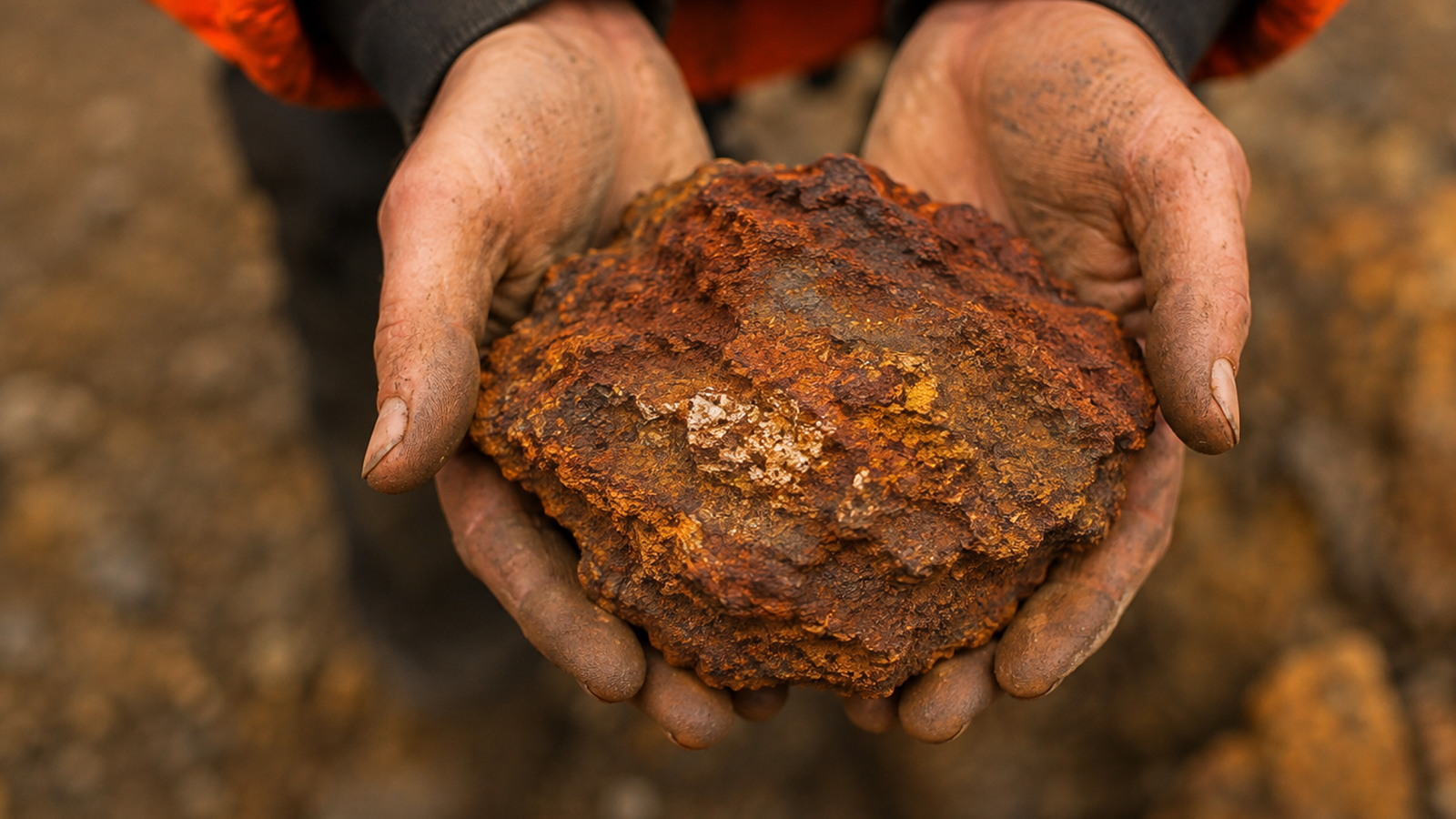
Gossan ore is one of the most prominent geological indicators and direct guides utilized by exploration geologists to identify deep, hidden mineral deposits. Scientifically defined, a gossan is a surface or oxidized cap formed as a result of the chemical weathering and oxidation of buried sulfide bodies, such as copper, zinc, and lead sulfides, and is frequently associated with high concentrations of gold and silver. In Saudi Arabia, these formations hold exceptional economic importance due to their widespread distribution across the Arabian Shield belt, making them a “golden key” for discovering immense mineral wealth.
Geological Characteristics of Gossan Formations in the Arabian Shield
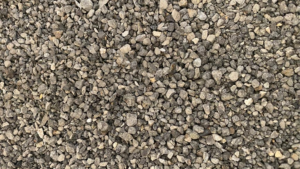
The Saudi Arabian Shield features an ancient volcanic and sedimentary geological environment that provided an ideal setting for the formation of Volcanogenic Massive Sulfide (VMS) deposits. The oxidation of the upper parts of these deposits yields the characteristic reddish-brown or dark orange gossan rocks, colored by iron oxides (hematite and limonite).
Association with Economic Mineralization
A gossan is not merely an ordinary surface rock; rather, it is a definitive indicator of ancient hydrothermal systems. Geochemical studies and associated spectral analysis frequently point to the presence of zones rich in base metals, particularly copper and zinc, at deeper levels.
Remote Sensing and Exploration Technologies
Due to the vast expanse of the Arabian Shield, remote sensing techniques and satellite image processing (such as workflows in ENVI and ArcGIS) are deployed to map gossan zones and identify iron oxide anomalies with high precision, significantly cutting down time and costs during early-stage prospecting.
Economic Feasibility of Exploiting Gossan Ores
The economic feasibility of gossan occurrences and zones lies in the fact that they typically begin as straightforward, low-cost open-pit mining operations compared to deep underground mining, prior to transitioning to the extraction of primary sulfide ores at depth.
Lower Initial Production Costs
The oxidized zones within gossans feature easier extraction and initial processing phases, as natural weathering reduces rock hardness and facilitates crushing and grinding.
Extraction of Gold and Precious Metals
Numerous gossan caps in Saudi Arabia contain high economic values of gold and silver through supergene enrichment, yielding rapid cash flows that help finance deep mine expansion operations.
Transitioning Toward Energy Transition Metals
The discovery of gossans associated with base metals paves the way for supplying copper and zinc essential for renewable energy industries and modern transportation in alignment with Saudi Vision 2030 objectives to maximize value addition from the mining sector.
Gossan and the Kingdom’s Mining Investment Map
The Ministry of Industry and Mineral Resources, along with the Saudi Geological Survey, places immense focus on sites exhibiting gossan indicators and associated sulfides by offering exploration licenses to local and international investors through transparent, up-to-date competitive bidding processes. These locations play a pivotal role in attracting foreign direct investment for mineral exploration, driven by the promising opportunities they offer in discovering new deposits that elevate the Kingdom’s total estimated mineral wealth of 9.4 trillion Saudi Riyals.
Gossan ore represents a core pillar in modern mineral exploration strategies throughout the Kingdom of Saudi Arabia. With the evolution of smart mining technologies and advanced geological surveying, the vital role of these formations in supporting the national economy and cementing the Kingdom’s position as a leading regional and global hub for sustainable strategic mineral production is fully reinforced.