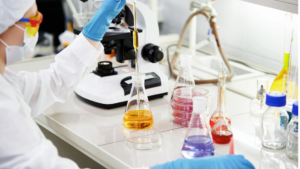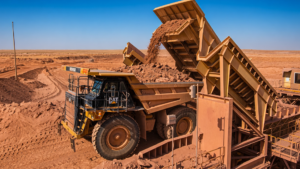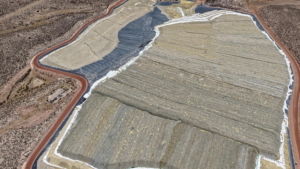
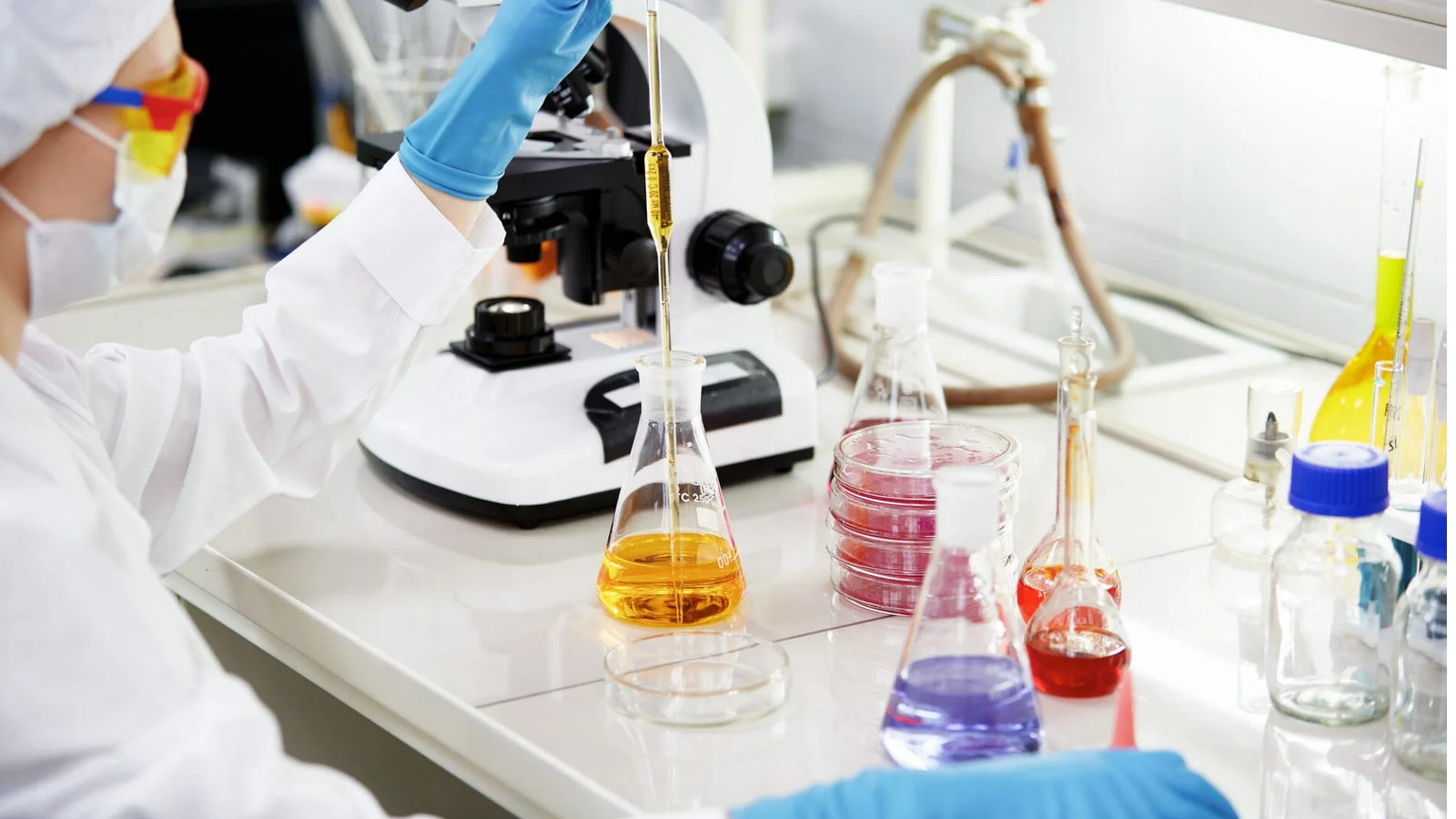
Mineral analysis techniques play an important role in determining the chemical composition of ores and metals, supporting mineral exploration, evaluating mining projects, and ensuring the quality of industrial materials. The reliability of analytical results depends not only on the methods used but also on laboratory equipment, proper sample preparation, and the expertise of qualified specialists.
Different mineral assay methods offer varying levels of sensitivity, accuracy, and analytical speed. Understanding these techniques, along with the factors affecting assay accuracy, is essential for obtaining reliable results and supporting informed decisions across the mining industry.
Mineral Analysis Techniques
Analytical instruments used in mineral analysis techniques have advanced considerably, varying in sensitivity, cost, and speed. The most important instruments include:
1. Atomic Absorption Spectroscopy (AAS)
Measures the concentration of a specific element by detecting how its atoms absorb light at a particular wavelength. It suits measuring a limited number of elements at a relatively moderate cost.
2. Inductively Coupled Plasma Optical Emission Spectrometry (ICP-OES)
Allows several elements to be measured simultaneously across a wide concentration range. It is widely used for ores, water, and soil analysis.
3. Inductively Coupled Plasma Mass Spectrometry (ICP-MS)
One of the most sensitive techniques available, capable of detecting elements at extremely low concentrations, down to parts per trillion. It is used for rare elements and precise environmental testing.
4. X-Ray Fluorescence (XRF)
A fast technique that is largely non-destructive to the sample. It is well suited to rapid screening of alloys and ores, and portable units are available for field use.
5. Spark Optical Emission Spectrometry (Spark OES)
The common choice for analyzing metals and alloys in smelting and foundry plants, valued for its speed and accuracy in determining the chemical composition of metals.
6. X-Ray Diffraction (XRD)
Identifies the crystalline and mineral phases in a sample, complementing elemental analysis by revealing the form in which elements exist.
7. Classical Methods
These include titration, gravimetric analysis, and fire assay for gold and silver. They remain a trusted reference in many cases when carried out skillfully.
It is worth noting that even the most advanced instruments cannot guarantee accurate results. Selecting the appropriate mineral analysis technique based on the sample type and the element being measured is essential for reliable and precise analysis.
The Role of Advanced Laboratory Equipment in Mineral Analysis
Investing in laboratory equipment is not a luxury. It directly affects the quality of results. Its benefits can be summarized as follows:
- Higher accuracy and sensitivity: Modern instruments detect very low concentrations and reduce the margin of error.
- Faster turnaround: They shorten analysis time and allow more samples to be processed.
- Multi-element analysis: They report results for several elements in a single run, saving time and reagents.
- Repeatability and traceability: Modern software records and stores operating and calibration data, making review and auditing easier.
- Fewer human errors: Automation of sample preparation and injection reduces variation between analysts.
- Accreditation and credibility: A well-equipped lab is better placed to meet international accreditation requirements such as ISO/IEC 17025, which gives its results acceptance among clients and regulators.
- Safety of staff and the environment: Ventilation, extraction, and chemical waste control systems protect personnel and reduce pollution.
Equipment is not limited to the main instruments. It also includes precision analytical balances, digestion systems, ultra-pure water, certified reference materials, high-purity operating gases, temperature and humidity control, and a laboratory information management system (LIMS).
Risks of Poor Assay Accuracy in Mining and Mineral Analysis
A small error in the percentage of an element may seem minor, but its impact multiplies as it moves from the lab to the market, the factory, or the community. The main risks include:
Direct Economic Losses
- Incorrect pricing of an ore or metal shipment, causing the seller or buyer to lose substantial sums.
- Investment decisions in mines or projects built on overstated or understated results.
- Shipments rejected at ports or in foreign markets because certificates do not match specifications.
Risks to Public Safety
- Using non-conforming alloys or metals in construction and equipment can lead to failure or serious accidents.
- Failing to detect toxic metals in water, food, or medicine endangers public health.
Environmental Damage
- Inaccurate pollution measurements lead to wrong remediation decisions or conceal a real problem.
Legal and Contractual Problems
- Commercial disputes where the analysis report is the deciding evidence. Doubts about a lab’s results can undermine your case.
- Loss of the lab’s reputation and accreditation, which is its most valuable asset.
Wasted Time and Resources
- Repeated analyses, redone experiments, and project delays caused by conflicting results.
The most common causes of lost accuracy include unrepresentative sampling, contamination during preparation, irregular instrument calibration, expired reagents or uncertified reference materials, ignoring matrix effects, and insufficient analyst experience.
The Role of Qualified Specialists in Mineral Assay Accuracy
While modern mineral analysis techniques rely on advanced instruments, accurate results still require the expertise of a specialist chemist to operate the equipment effectively and interpret the findings. The specialist chemist’s role includes:
- Planning and sampling: choosing a sampling method that ensures the sample represents the original quantity.
- Sample preparation: digestion, fusion, and dilution carried out precisely and without contamination.
- Selecting the right method: matching the technique to the sample type and expected concentration.
- Calibration and verification: preparing standards and calibration curves and checking their quality.
- Quality control: running reference materials, control samples, and replicates to confirm results are sound.
- Data interpretation: spotting outliers and calculating detection limits, quantification limits, and measurement uncertainty.
- Laboratory safety: handling acids, hazardous materials, and waste correctly.
- Documentation: writing clear, traceable, reviewable reports.
Continuous staff training is just as important as investing in advanced instruments for mineral analysis techniques. As technologies evolve, analysts must continuously develop their skills and expertise to ensure accurate and reliable results.
Quality Control in Mineral Analysis: A Practical Laboratory Checklist
- Get the lab accredited to ISO/IEC 17025 or an equivalent quality system.
- Calibrate and maintain instruments regularly according to a documented schedule.
- Use certified reference materials and verify them routinely.
- Participate in proficiency testing programs and interlaboratory comparisons.
- Apply internal quality control in every analytical batch.
- Provide a suitable working environment in terms of cleanliness, temperature, humidity, and ventilation.
- Hire qualified specialists and give them regular training.
- Document every step from sample receipt to report issue.
- Adopt a laboratory information management system to reduce manual errors.
Ensuring Reliable Results in Mineral Analysis
Reliable analytical results are essential to informed decision-making across the mining industry. From evaluating ore quality and supporting investment decisions to meeting technical specifications, the accuracy of mineral analysis directly affects operational efficiency, financial outcomes, and environmental responsibility.
While modern mineral analysis techniques provide the capabilities needed to identify and measure elements, technology alone cannot guarantee reliable results. Proper sampling, consistent quality control, regular calibration, and qualified laboratory specialists remain equally important.
Combining appropriate analytical methods with recognized quality standards and experienced professionals enables mining companies and laboratories to reduce analytical risks, maintain confidence in their results, and support more reliable decisions throughout mining operations.
Read Also: Saudi Mining Sees 21.8% Surge in Licenses as Mineral Sites Hit 5,680